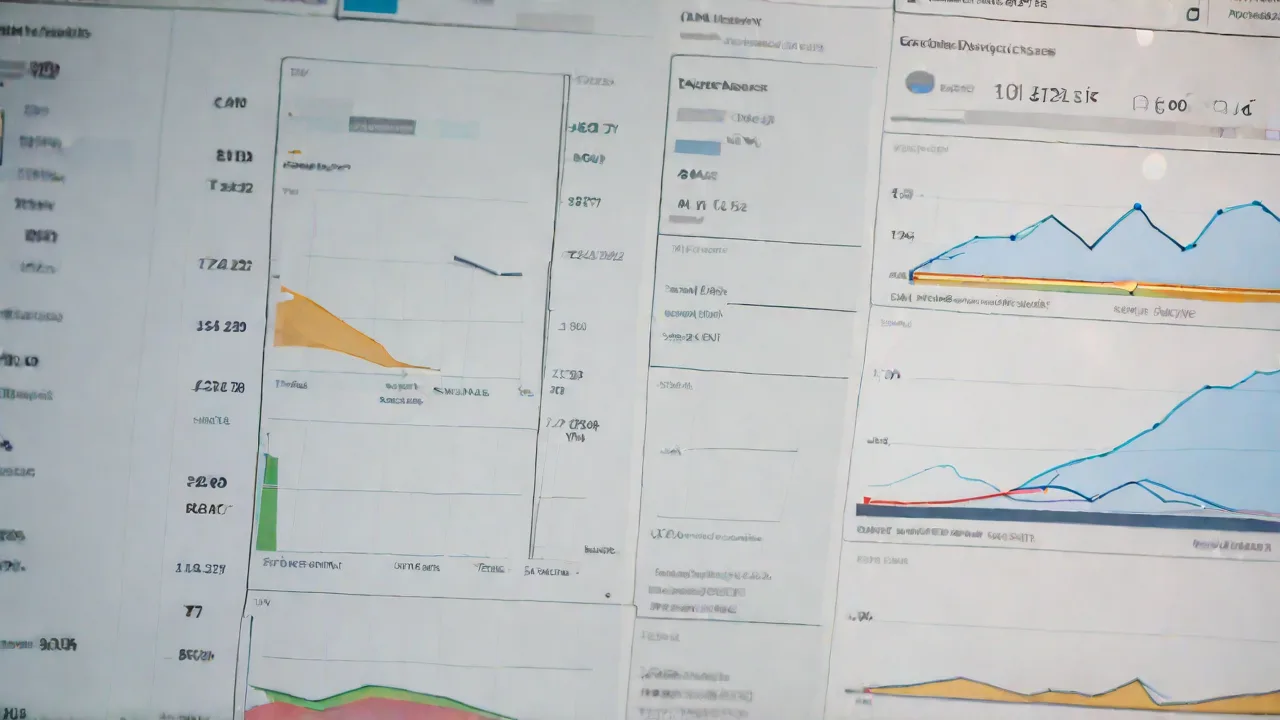
Analyzing Trends in Team Records to Provide Insightful Content
Team records are more than just numbers on a scoreboard; they are a window into the history, strategy, and evolution of a team’s performance over time. Whether you are a sports enthusiast, a coach, or a data analyst, understanding and analyzing these records can provide invaluable insights that go beyond wins and losses.
Why Analyze Team Records?
Analyzing team records helps identify patterns and trends that can influence future strategies. It allows teams to recognize strengths, address weaknesses, and adapt to changing conditions or opponents. Moreover, fans and stakeholders gain a deeper appreciation of the team’s journey and achievements.
Key Benefits of Analyzing Team Records
- Performance Trends: Tracking winning streaks, scoring averages, and defensive records over seasons to detect improvement or decline.
- Player Impact: Understanding how individual players contribute to team success through statistics and game outcomes.
- Strategic Adjustments: Using past data to inform coaching decisions and game plans.
- Fan Engagement: Sharing insightful content based on records to build a stronger connection with supporters.
Common Metrics Used in Team Records Analysis
To analyze team records effectively, it’s important to focus on the right metrics. These often vary by sport but generally include:
- Win-Loss Record: The most basic measure of success, showing how many games a team has won versus lost.
- Points Scored and Allowed: Helps evaluate offensive and defensive strengths.
- Home vs. Away Performance: Reveals how well a team performs under different conditions and environments.
- Player Statistics: Individual contributions such as goals, assists, tackles, or saves.
- Streaks and Slumps: Periods of consistent wins or losses that can indicate momentum or challenges.
Methods to Analyze Team Records
There are several approaches to analyzing team records, ranging from simple observation to advanced statistical modeling:
- Trend Analysis: Plotting performance metrics over time to visualize upward or downward trends.
- Comparative Analysis: Comparing team records against rivals or league averages to identify relative strengths and weaknesses.
- Situational Analysis: Examining records in specific situations such as playoffs, home games, or against top-tier teams.
- Predictive Modeling: Using historical data to forecast future performance or outcomes.
- Qualitative Insights: Combining statistics with expert opinions and game footage to understand context.
Tools and Resources for Analysis
- Sports analytics software like Tableau, Power BI, or specialized sports platforms.
- Publicly available databases and archives for historical team records.
- Statistical programming languages such as R or Python for custom analyses.
- Video analysis tools to correlate stats with gameplay.
Applying Insights from Team Records
Once you have analyzed the records, the next step is to apply the insights effectively. Here are some practical applications:
- Coaching Strategies: Adjusting training and game plans based on patterns identified in the data.
- Player Development: Targeting specific skills or roles that need improvement to boost overall team performance.
- Recruitment and Transfers: Making informed decisions about acquiring new players who fill gaps or complement existing strengths.
- Fan Engagement and Media: Creating compelling stories and content that highlight notable trends and milestones.
- Performance Benchmarking: Setting realistic goals and benchmarks for upcoming seasons.
Challenges in Analyzing Team Records
While valuable, analyzing team records comes with challenges that must be acknowledged and addressed:
- Data Quality: Incomplete or inconsistent records can lead to inaccurate conclusions.
- Contextual Factors: External influences such as injuries, weather, or rule changes can skew data.
- Overemphasis on Numbers: Ignoring qualitative aspects like team morale or leadership dynamics.
- Changing Formats: Alterations in league structure or schedules that affect comparability over time.
To mitigate these challenges, it is important to combine quantitative data with qualitative insights and maintain a critical perspective on the findings.
Conclusion
Analyzing trends in team records is a powerful way to unlock insightful content that benefits coaches, players, and fans alike. By focusing on key metrics, using appropriate analytical methods, and applying findings thoughtfully, teams can improve their strategies and storytelling. Despite challenges, the ongoing evolution of data analytics in sports continues to enhance our understanding of team performance and history.